Tradition meets Culture.
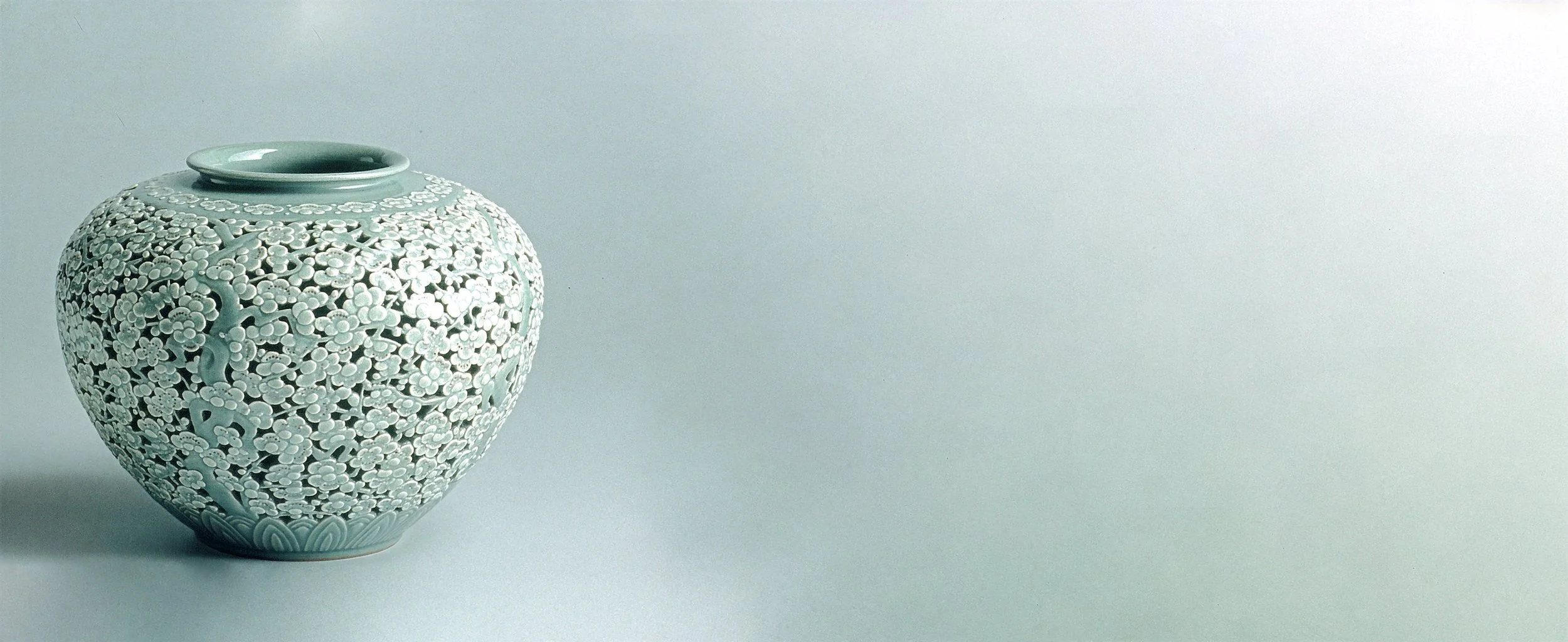
CELADON Studio aims to revive a dying tradition through master-led instruction, historical scholarship, and immersive programming. CELADON preserves traditional technique while bringing them into present-day practices and mediums.
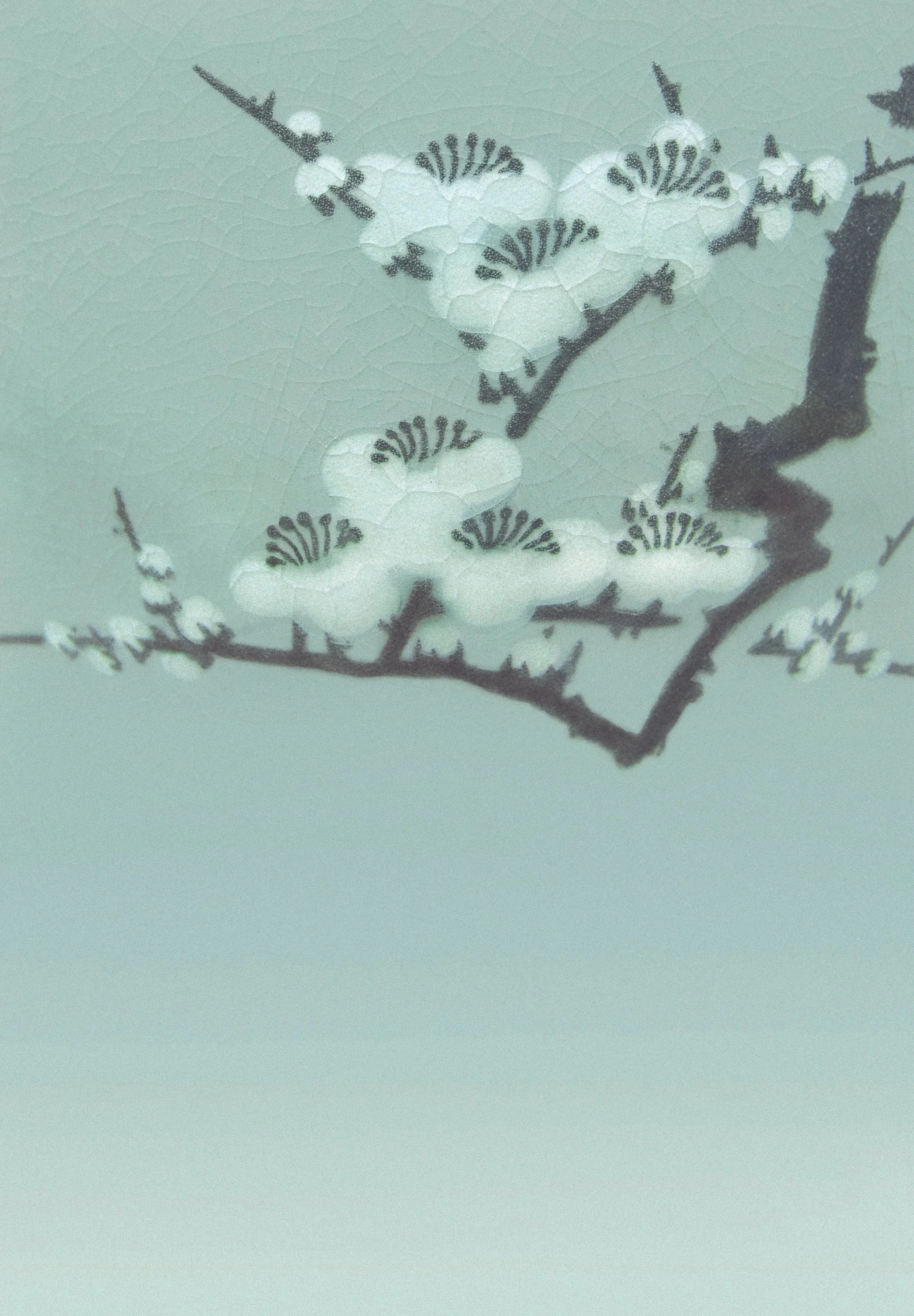
Goryeo ceramics dates back to the Goryeo dynasty (918-1392), which marked the technological transition in Korean pottery. The distinct hue and intricate design made it highly sought after and often used by court royalty.
The Goryeo royal court emphasized investment in the production of celadon, as it became part of rituals and monumental infrastructure, thus integrating into Korean culture.
History
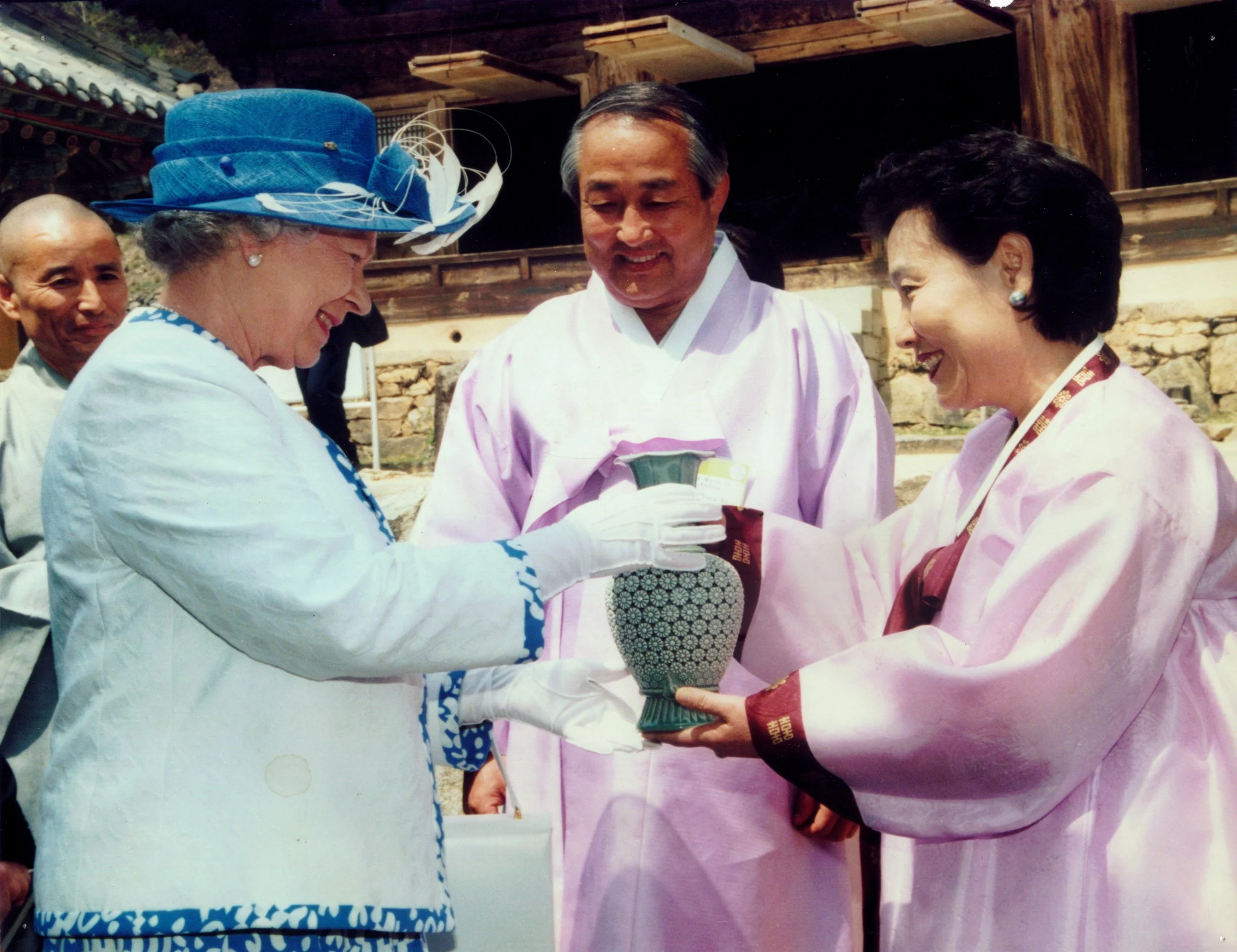
Queen Elizabeth II, United Kingdom (1926–2022)
Continuing a Legacy
Se-Yong Kim (1946), a renowned ceramic artist, dedicated his life to preserving the art of traditional Korean celadon porcelain. In doing this, he became one of the last few remaining masters, producing some of the finest and largest celadon porcelains, proving his steadfast dedication and life’s mission.
Dr. Dohun Kim, successor to his father’s (Se-Yong Kim) legacy, holds a doctorate in ceramic material engineering, and is a widely regarded figure in his field. He is the sole inheritor of his father’s expertise and plans to continue his father’s work, preserving a thousand year-old tradition and bringing it to a modern age.
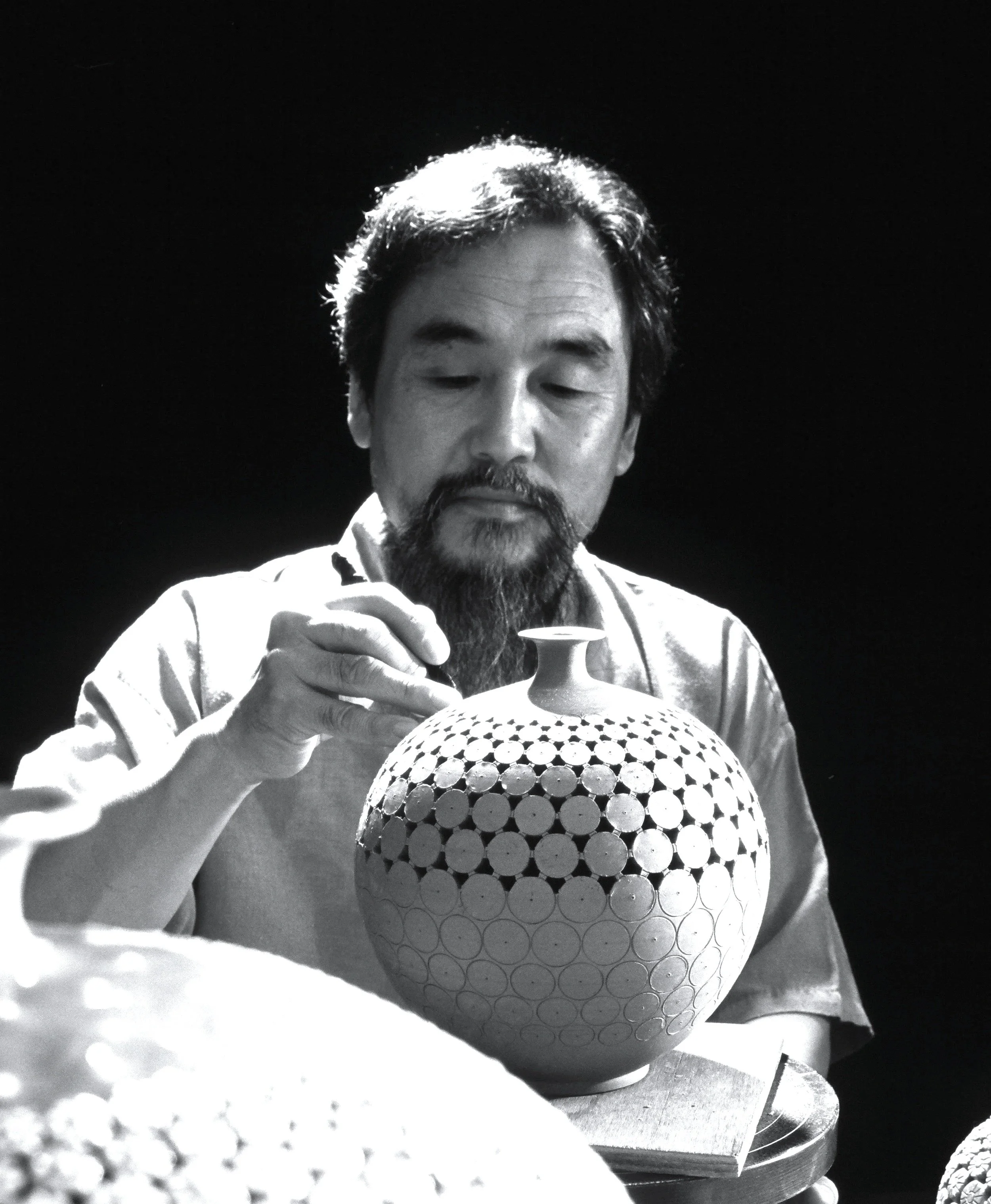
Se-Yong Kim (1946)
Why does color matter?
The color celadon represents our core identity: Korean culture, ceramics, heritage, and craftsmanship.
To achieve the distinct celadon hue, Korean artisans used a two-step firing process using mud kilns. They would fire at 1000°C or higher and block off the flow of oxygen, creating chemical reaction from the iron oxide, manganese oxide, and quartz particles.
While celadon ceramic vessels have historically varied, the unique hue of Korean celadon is shaped by the quality of the earth, minerals, and natural resources that guided Korean craftsmanship during the Goryeo dynasty.